La prima volta che ho sentito parlare di Angiolino Maule è stato leggendo “Le vie del vino”. Jonathan Nossiter parla di lui con simpatia, e racconta di una bottiglia di Pico ,con le sue imperfezioni, come di un paradiso perduto. Raccogliendo altre informazioni, mi ero fatto un’idea di un tipo originale, forse un po’ chiuso nella sua ricerca ostinata della “naturalità” del vino.
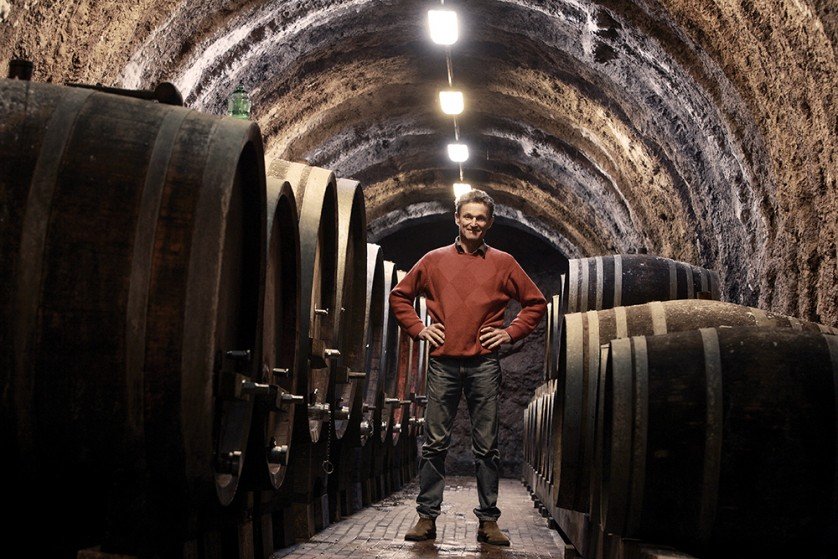
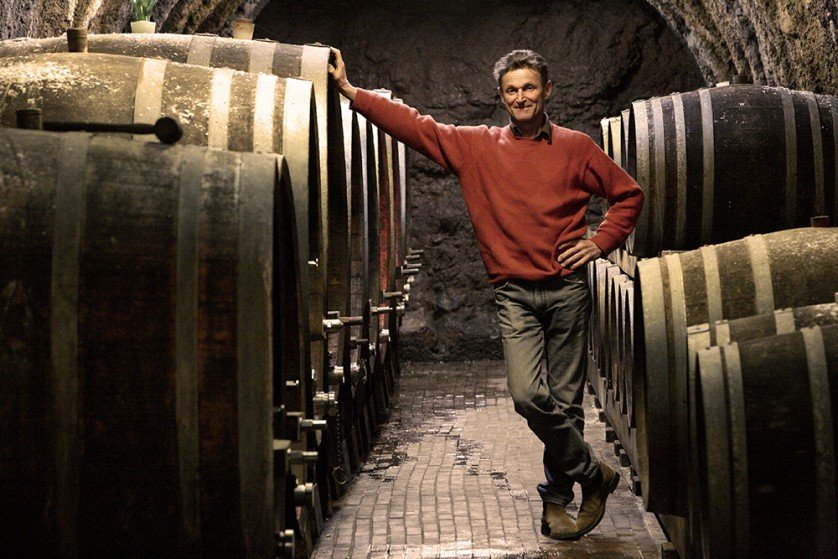
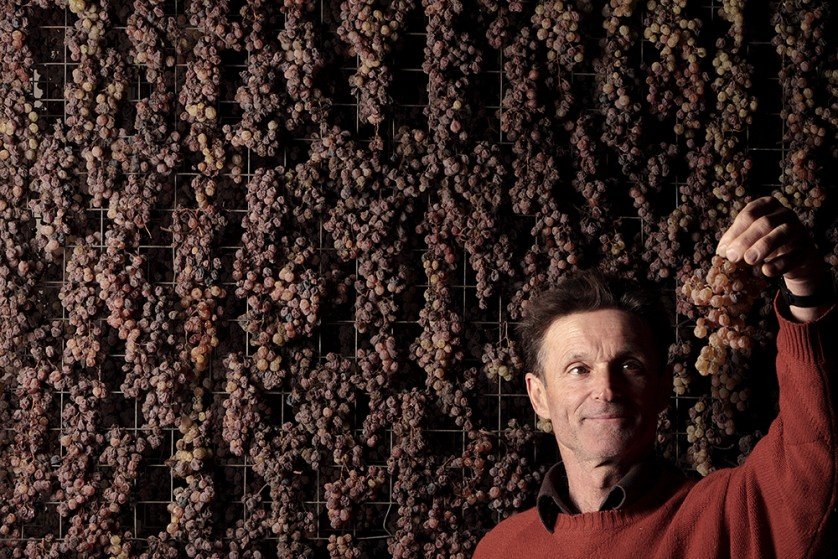
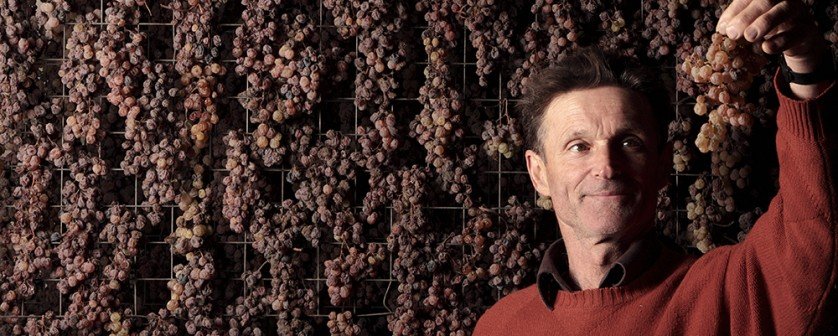
Arrivo in azienda di mattina presto, sembra sorpreso di vedermi lì, poi mi fa entrare in cantina ed ascolta in silenzio il motivo della mia visita. A quel punto decide di portarmi in casa, mi presenta la moglie Rosamaria e mi offre un caffè. Comincia subito a raccontarmi la sua storia, di quando pizzaiolo sognava di avere un’azienda tutta sua. Nell’ ’84 acquista i terreni sulle colline di Sorio di Gambellara, in provincia di Vicenza, e costruisce casa e cantina. Nell’ ’88 le prime bottiglie di “Sassaia”, da uve Garganega.
Si scontra subito con una realtà produttiva molto diversa da quella sognata; in quegli anni non si lavora per fare un buon vino, ma per produrre tanta uva, a qualunque costo. Troppi trattamenti in vigneto, troppe concimazioni, troppi interventi in cantina.
Comincia così un percorso tutto suo, aiutato dal produttore friulano Josko Gravner, e diventa un riferimento per tutto il mondo dei vignaioli “naturali”.
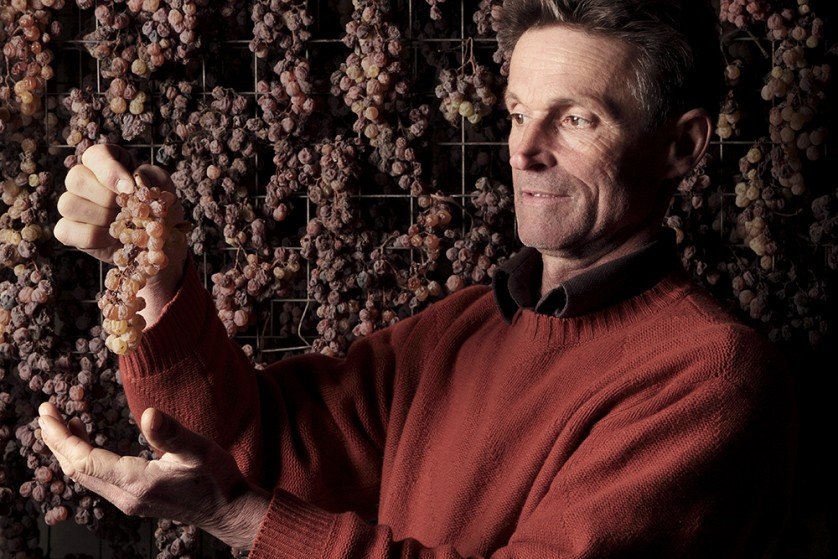
Le parole d’ordine sono: no a diserbanti, antiparassitari e concimi chimici, riduzione dell’uso di rame e zolfo, vigneti inerbiti, uve raccolte a mano, fermentazioni spontanee, no a micro-ossigenazioni, limitazione della solforosa, cercando di eliminarla del tutto.
Ovviamente queste prese di posizione hanno provocato polemiche, contrasti e scissioni fra diverse scuole di pensiero. Oggi il vino naturale è una realtà consolidata, e l’associazione VinNatur ne è la prova.
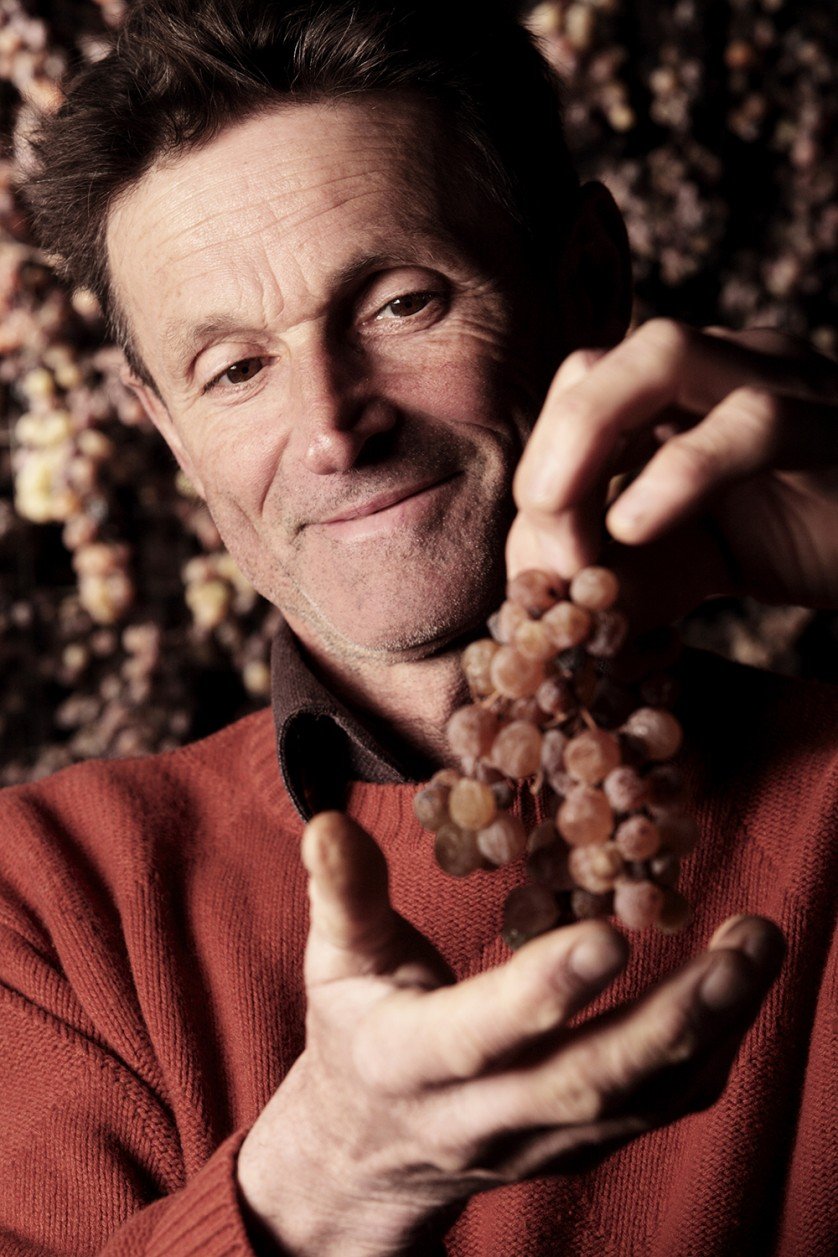
Mentre parliamo, guardo Angiolino e penso che non corrisponde all’idea che mi ero fatto di lui. Non è un dogmatico, ma uno sperimentatore. Nato in altre circostanze, avrebbe potuto essere un professore universitario. Si pone domande, e cerca risposte nella sua vigna.
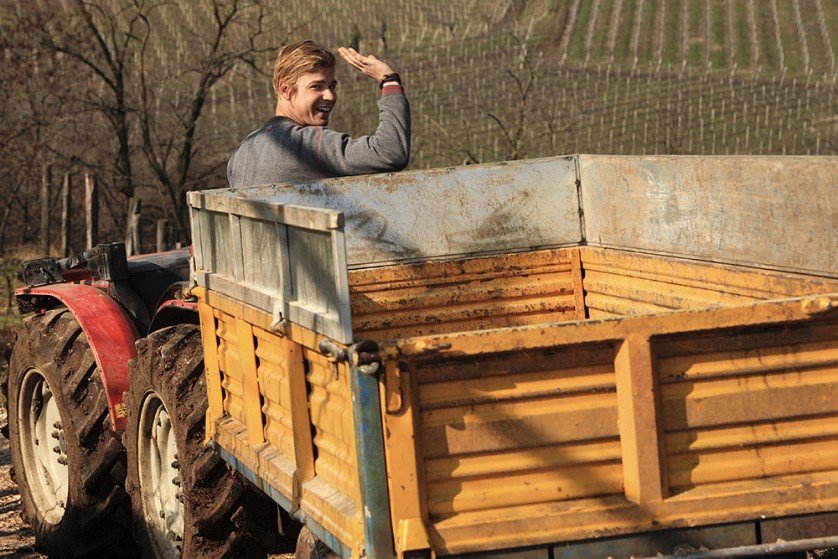
Mi porta a vistare l’azienda, ed alla spicciolata incontriamo i figli Francesco, Alessandro e Tommaso. Lavorano tutti con lui, e sembrano felici. Lui lo è di sicuro di averli con sé.
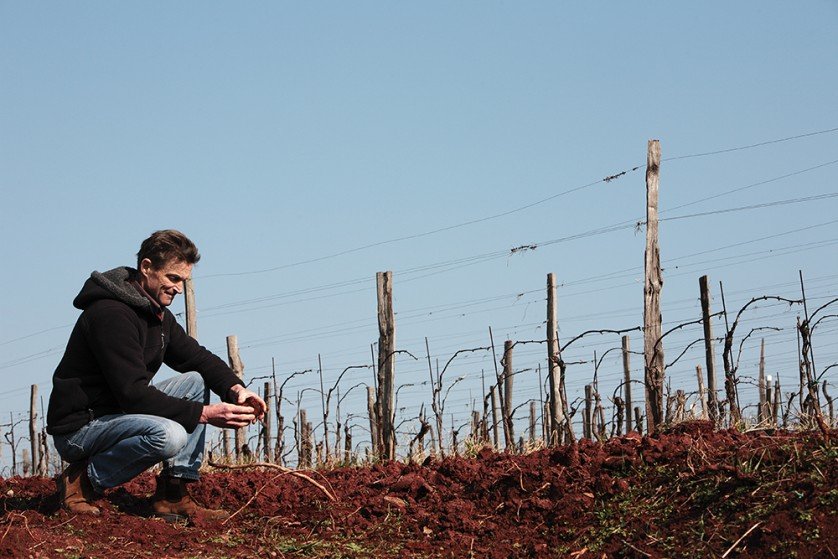
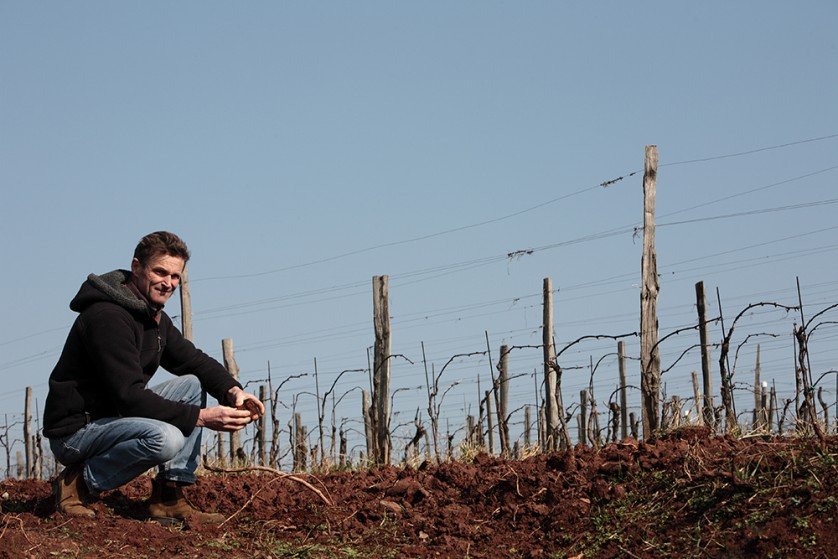
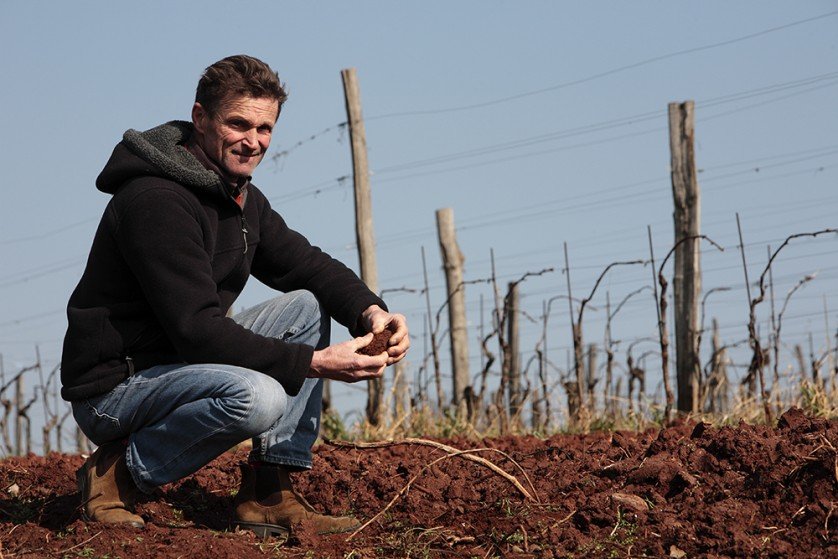
Più che del vino mi parla del terreno, e delle cure che gli dedica. Mi pare sia fatto anche lui di questa terra vulcanica.
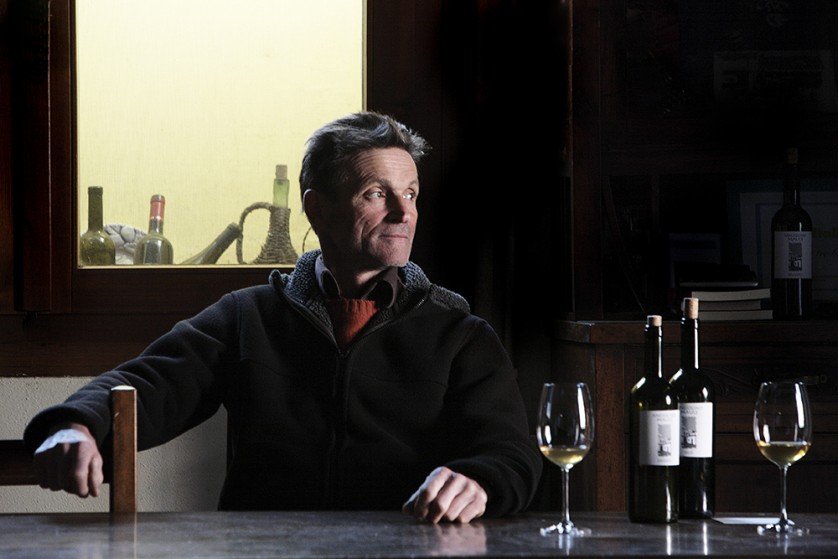
Mi invitano a pranzo, faccio finta di resistere e poi ovviamente accetto. L’atmosfera è molto bella, di famiglia unita, un’aria un po’ anni ’50 (dov’è che ancora si pranza tutti insieme?), il“Pico” mi scalda e mi smuove qualcosa dentro, e penso che Angiolino trent’anni fa ha fatto la scelta giusta.
Per saperne di più: http://www.biancaravini.it/

[…] ci vai, se non te la senti di non trattare?), la seconda di ammirazione per VinNatur (e per Angiolino Maule, energico presidente […]